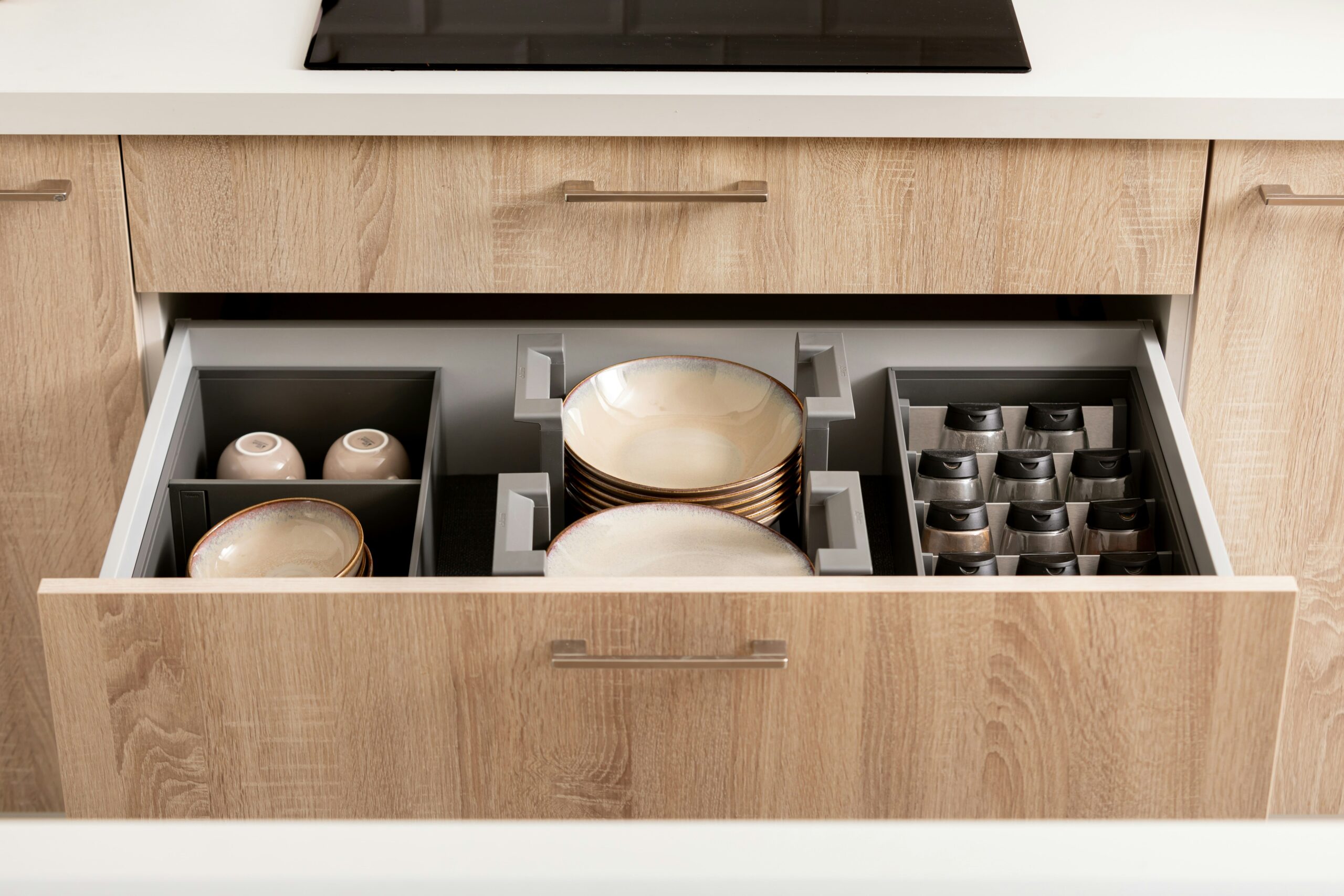
How to Organise Your Kitchen for Optimal Flow & Function
A well-organised kitchen is about more than just reducing clutter. It creates a space where cooking, cleaning and everyday living feels effortless. So, if you’ve ever wondered how to organise your kitchen cupboards, the answer starts with thoughtful design and not just clever storage.
This guide explores practical kitchen organisation ideas that improve flow and functionality, whether you’re refreshing your current space or planning professional kitchen renovations that are designed around the way you live.
Why great kitchen organisation starts with good design
True kitchen organisation is about far more than decluttering cupboards. It begins with designing a space where everything has a logical home and everyday tasks flow naturally, making cooking, cleaning and entertaining more enjoyable.
One of the key principles is the work triangle, which connects the fridge, sink and cooktop to minimise unnecessary movement. Equally as important is the overall kitchen layout. Whether it’s U-shaped, G-shaped, galley or L-shaped, it influences how efficiently you move through the space and supports the way your household functions every day. This design-first approach is often overlooked but makes a significant difference to both convenience and long-term usability.
Whether you’re looking for how to organise your kitchen after a recent renovation or wondering how best to organise kitchen cupboards in an existing home, thoughtful planning forms the foundation.
Learn more about our kitchen design service or explore our kitchen renovations for inspiration.
The 5 essential kitchen zones for flow and function
A popular framework developed by Blum divides every kitchen, regardless of its size or layout, into five practical zones so that items are stored where they’re used. If you’re wondering how to organise your kitchen cupboards, this approach reduces unnecessary movement, minimises clutter, speeds up unpacking and meal preparation, and keeps your everyday essentials within easy reach.
The simple five-zone summary table below makes the system easy to understand at a glance:
| Zones | Includes |
| Consumables | Food Storage (pantry, fridge and freezer) |
| Non-Consumables | Plates, bowls, glasses, mugs, cutlery and utensils |
| Cleaning | Sink, dishwasher, bins, and cleaning supplies |
| Preparation | Clear bench space for food preparation |
| Cooking | Cooktop, oven, pots, pans, utensils and spices |
1. Consumables zone (food storage)
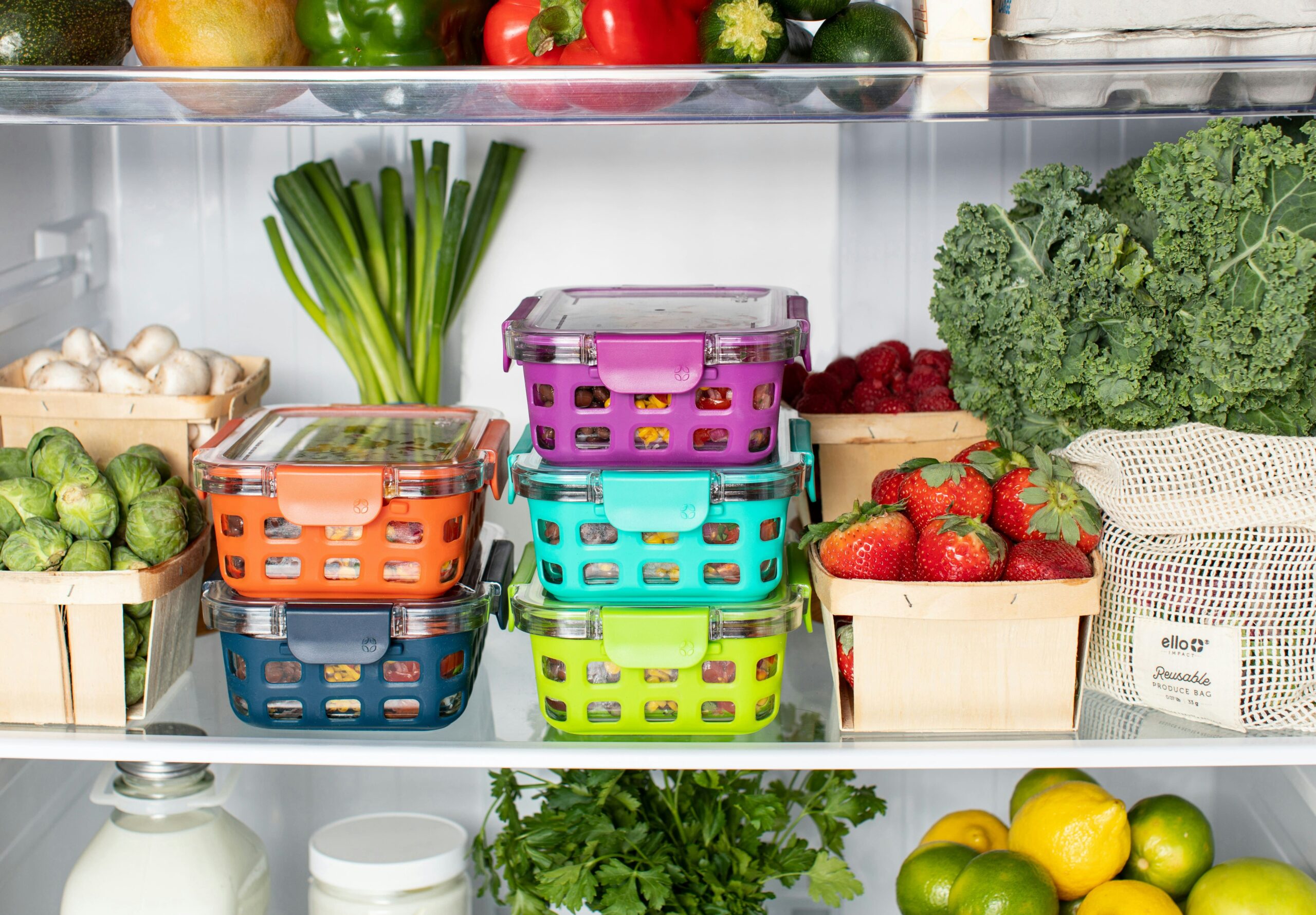
The consumable zone includes your fridge, freezer, pantry and all dry goods. If you’ve been pondering how to organise your kitchen cupboards, you can start by grouping similar foods. Keep everyday items at eye level, and put staples in matching labelled containers.
In the fridge, use clear tubs, store ready-to-eat foods where they’re easy to reach, keep raw meat on lower shelves and check expiry dates regularly.
Shelf risers, pull-outs, baskets and lazy Susans improve deep storage, while positioning the pantry close to the fridge and preparation zone streamlines unpacking and meal preparation.
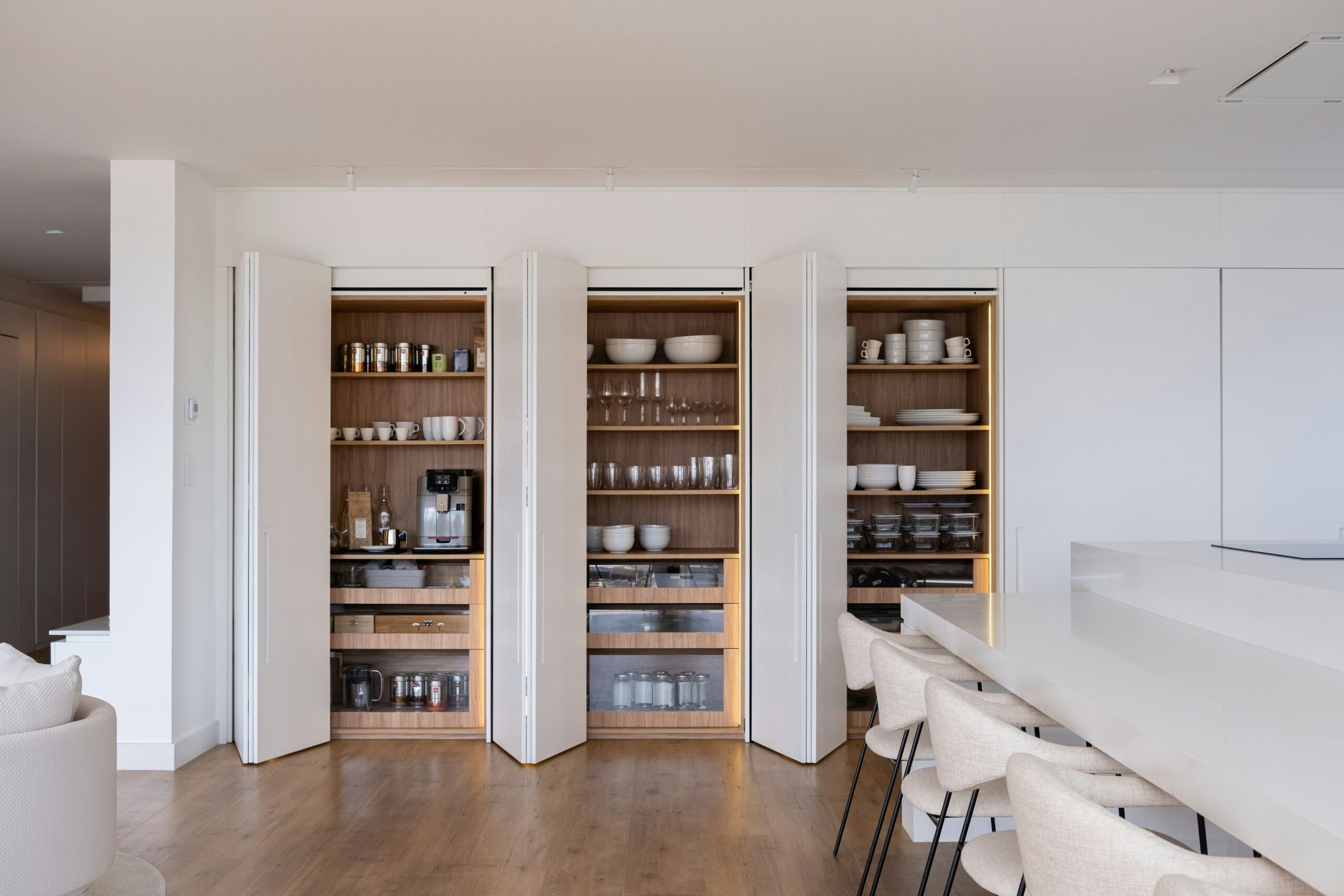
2. Non-consumables zone (dinnerware & glassware)
3. Cleaning zone (sink & dishwasher)
4. Preparation zone (clear bench space)
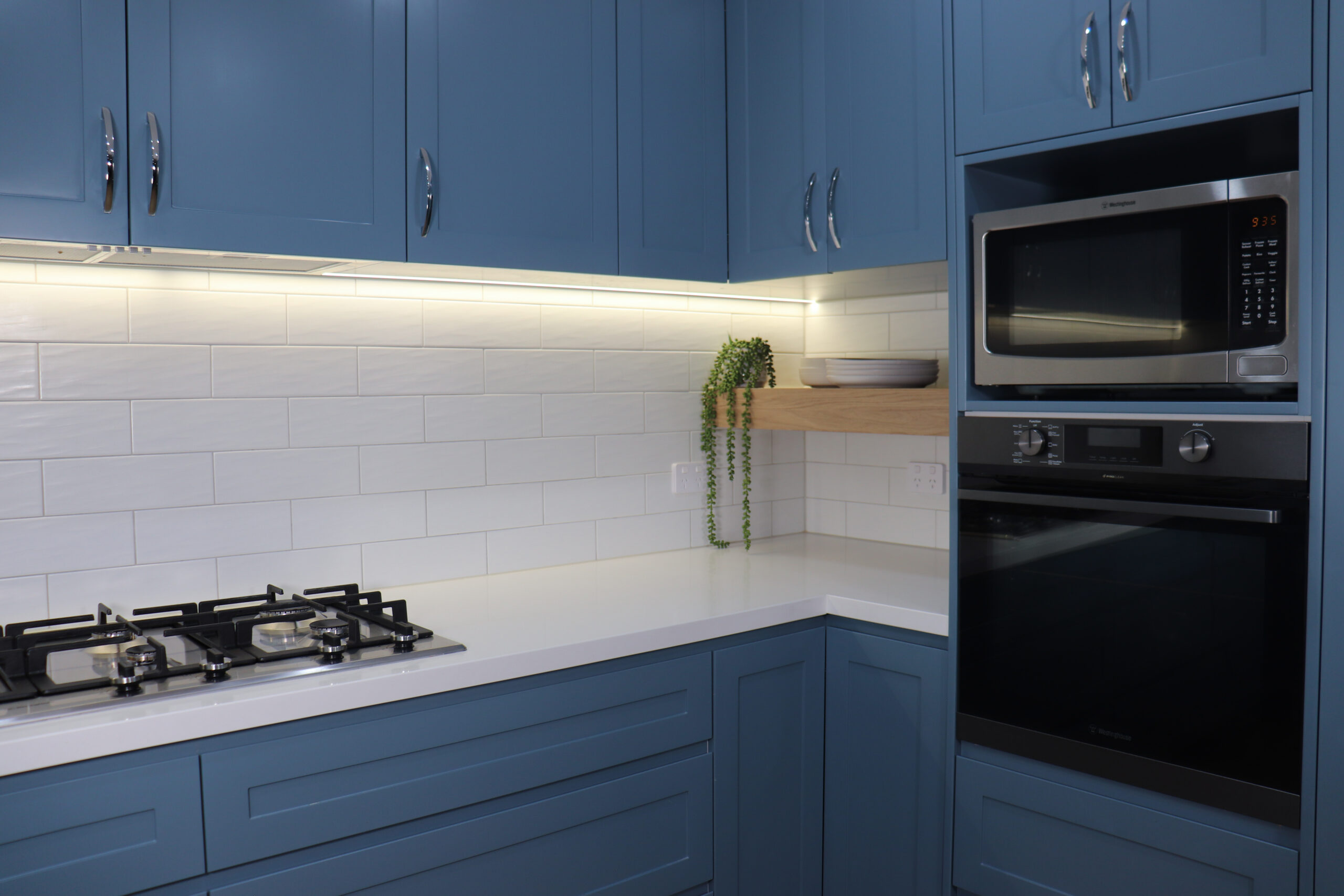
5. Cooking zone (oven, cooktop & rangehood)
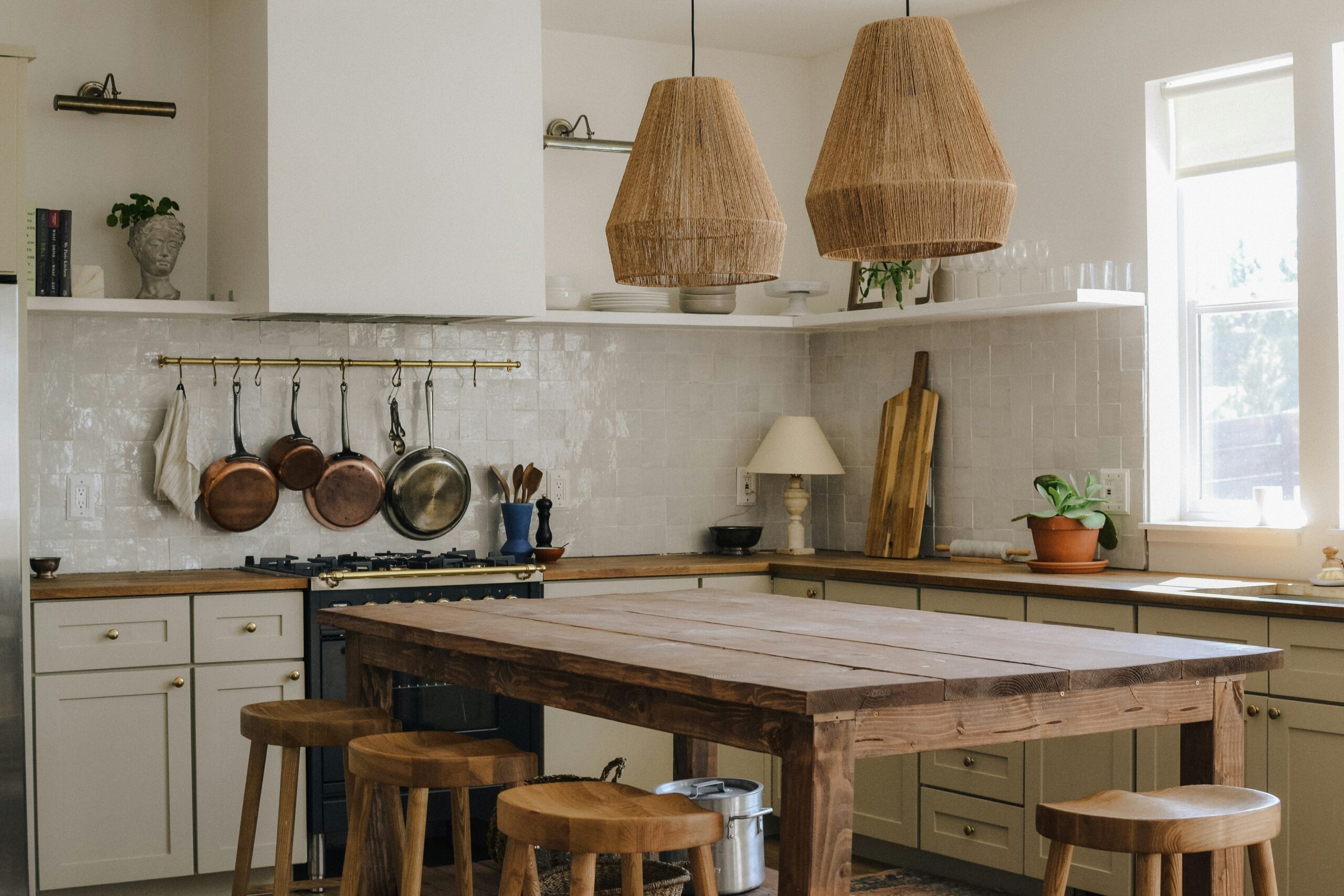
How to organise your kitchen cupboards and drawers by zone
Clever storage solutions to maximise space and style